

Hay Prices Skyrocketing? 5 Steps How to Stretch Your Forage Budget and Keep Horses Healthy (Easy Guide for 2026)

Let's be honest , hay prices have gone a bit mad lately. 🐴💷
If you've been to pick up your usual load recently, you'll have noticed the jump. UK hay prices have climbed to around £154 per tonne as of mid-February 2026, which is more than double what we were paying this time last year (£73 per tonne in February 2025). When you work it out, the average horse munches through about 152 bales a year , that's easily £750+ before you even factor in waste.
The good news? You don't have to compromise your horse's health to keep costs under control. With a few smart tweaks to how you buy, store, and feed forage, you can stretch your budget without cutting corners. Here are five practical steps that actually work.
Step 1: Use Slow Feeders to Cut Waste by Up to 30% 🛠️
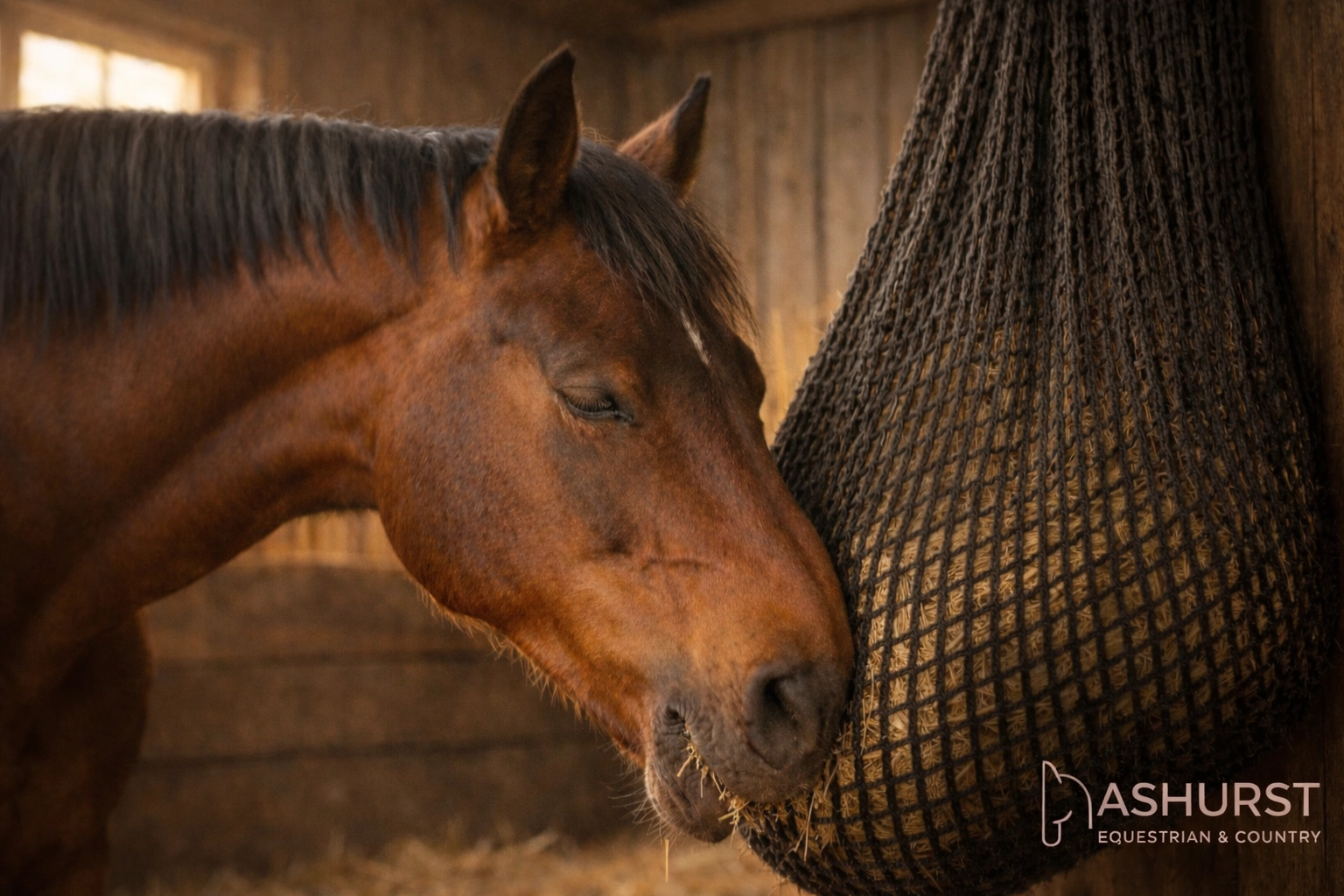
This one's a game-changer. If you're still feeding hay loose in a haynet or straight on the ground, you're probably losing a chunk of it to waste , and that's money literally going to the floor.
Slow-feed hay nets are designed to make your horse work a bit harder for each mouthful, which mimics natural grazing and keeps them occupied longer. The best part? Studies show they can reduce hay waste by up to 30%. On a £750 annual hay bill, that's over £200 back in your pocket.
Here's what to look for:
- Small-hole nets (1.5–2 inches) slow down fast eaters
- Double-layered nets last longer and reduce pulling/tearing
- Hay bags or boxes work well for stabled horses
You can also use slow-feeder hay racks or ground feeders with grids if your horse lives out. Even a simple change like this makes a noticeable difference over the winter months when hay consumption is at its peak.
Step 2: Get Your Hay Tested (Yes, Really!) 🔬
Not all hay is created equal. Some bales are packed with nutrients, others are basically expensive bedding. If you're feeding poor-quality hay, your horse will eat more of it to meet their nutritional needs : and you'll burn through your supply faster.
Forage testing sounds fancy, but it's actually straightforward and affordable. For around £30–£50, you can send a sample to a lab and get a breakdown of protein, sugar, fibre, and energy levels. Armed with that info, you can:
- Choose hay that's genuinely nutritious (so you need less of it)
- Avoid over-supplementing with expensive feeds when your hay is already good quality
- Match forage to your horse's needs (low-sugar for laminitics, higher protein for youngsters, etc.)
If your hay is on the lower end of the quality scale, you can top it up with high-fibre chaffs or balancers rather than feeding twice as much mediocre hay. It's a smarter, more cost-effective approach.
Step 3: Explore Hay Alternatives and Extenders 🌾
When hay prices spike, it's worth looking at partial hay replacements that stretch your forage further without compromising nutrition. The key is finding high-fibre alternatives that keep your horse's digestive system happy.
Some great options include:
Chaff and Short-Chop Forages
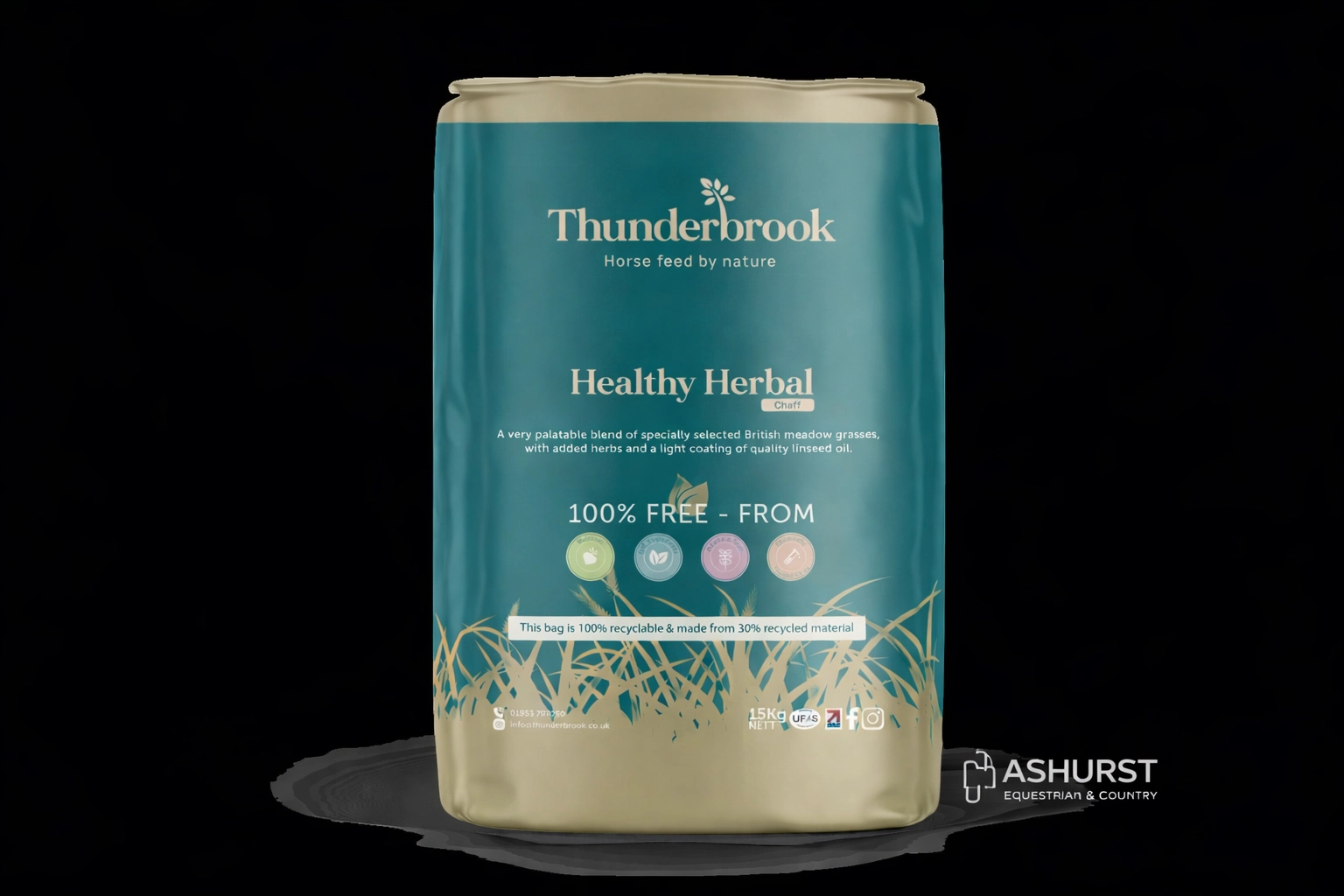
Products like Thunderbrook Healthy Herbal Chaff are brilliant for bulking out smaller hay rations. They're palatable, easy to digest, and free from molasses and preservatives. A 15kg bag goes a surprisingly long way when mixed with hay or used as part of a soaked feed.
Soaked Hay Cubes or Pellets
Compressed hay products soak up to three times their dry weight, so you're essentially creating more "volume" to feed. They're ideal for older horses, those with dental issues, or anyone who struggles to get through a full haynet.
High-Fibre Mueslis and Nuts
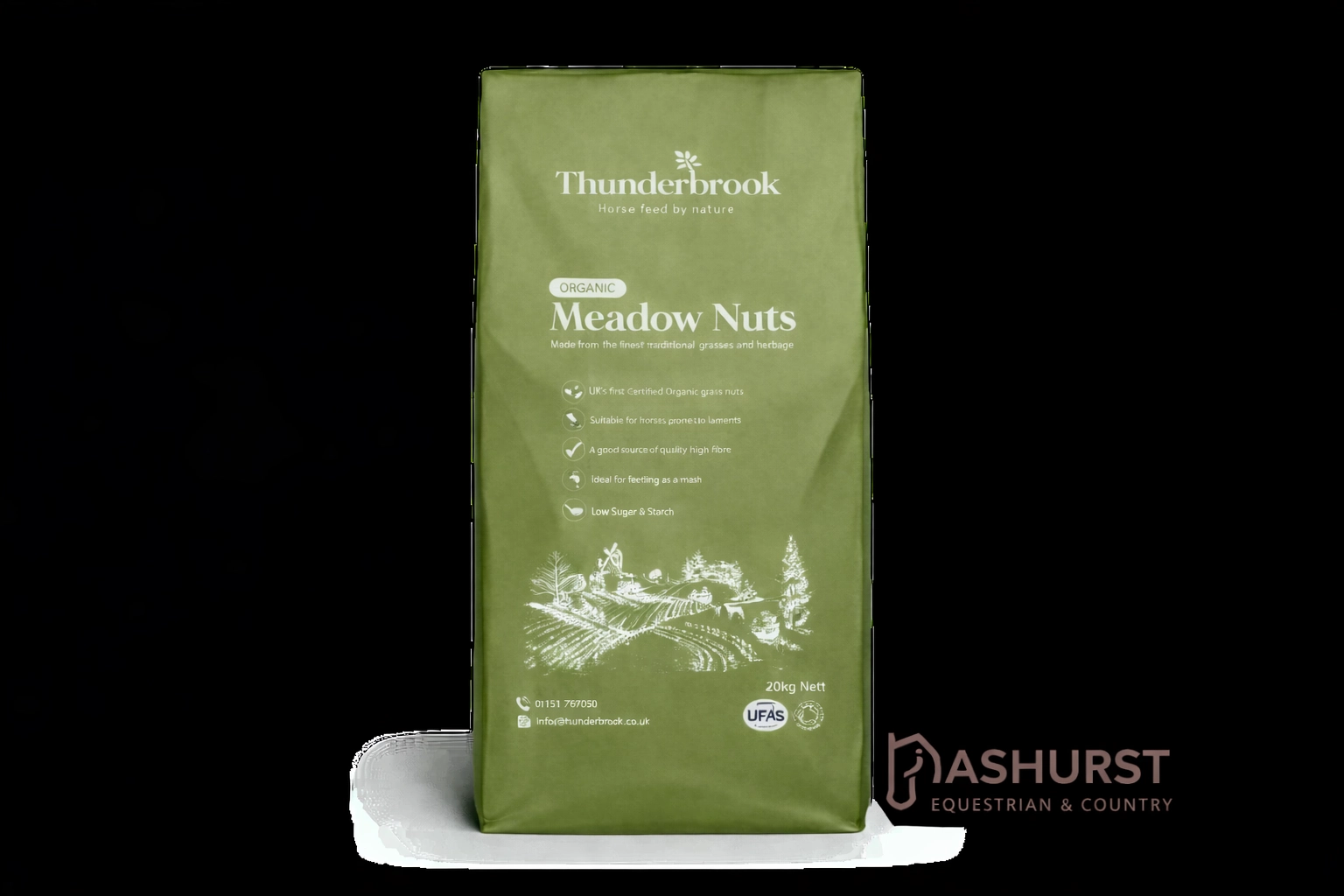
If your horse is a good doer or prone to weight gain, consider feeds like Thunderbrook Organic Meadow Nuts. They're low in sugar and starch but high in fibre, so they act more like forage than traditional hard feed. You can soak them into a mash to slow down eating time, too.
The trick is not to replace hay entirely : your horse still needs long-stem fibre for gut health : but using alternatives strategically can make your hay pile last weeks longer.
Step 4: Buy in Bulk and Store It Properly 📦
If you've got the space, buying hay in bulk is one of the easiest ways to save money. Suppliers often offer discounts for larger orders, and you'll avoid making multiple trips (or paying delivery charges repeatedly).
Here's how to make bulk buying work:
- Order early in the season (late summer/early autumn) when prices are typically lower
- Check for local suppliers who offer free or discounted delivery : we offer local delivery and click & collect from our Leigh, Surrey warehouse if you're in the area
- Negotiate with your yard to do a group order if you're on livery; buying 50+ bales at once usually gets you a better rate
But here's the thing : storage matters. Hay that gets damp, mouldy, or sun-bleached is wasted hay. Store bales off the ground (on pallets), under cover, and with good airflow. If you're using a barn or shed, make sure it's well-ventilated to prevent condensation.
Good storage can extend the life and quality of your hay by months, which means fewer emergency top-ups at premium prices.
Step 5: Maximise Turnout and Manage Grazing Smartly 🌱
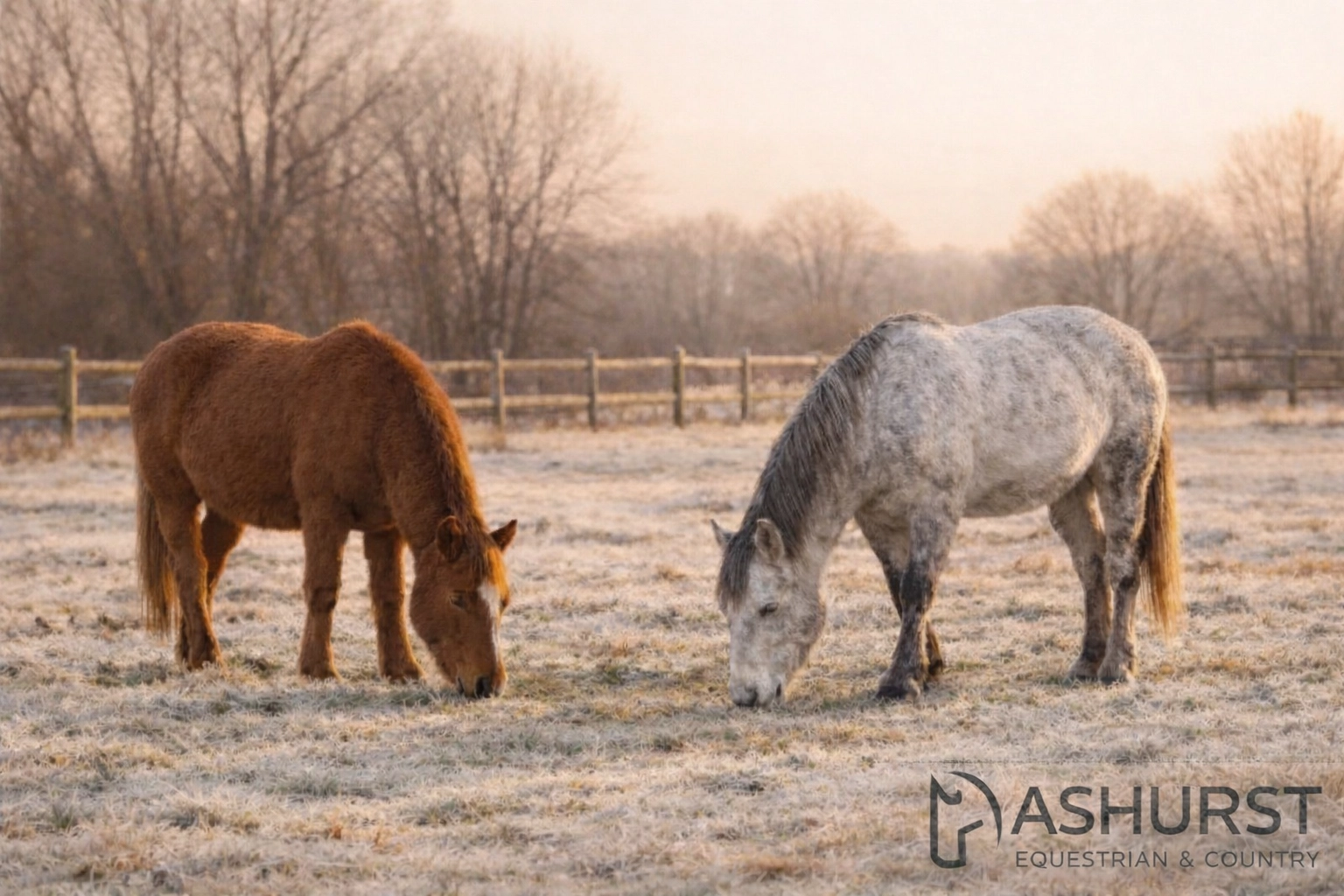
Even in winter, every hour your horse spends grazing (assuming there's something to graze!) is an hour they're not eating from your hay supply.
Strategic turnout doesn't mean leaving your horse out 24/7 in a mud bath : it means making the most of what grazing you do have:
- Rotate paddocks if possible to let grass recover and avoid overgrazing
- Use track systems or strip grazing to slow down consumption and reduce waste
- Turn out during the day when it's warmer and horses are more likely to move around (rather than standing in a stable munching hay non-stop)
- Consider grazing muzzles for easy keepers who hoover up everything in sight
If your fields are bare over winter, you can still reduce hay consumption by using ad-lib forage stations in a large turnout area. Horses will move between piles, burn more calories, and stay mentally stimulated : all while eating a bit less overall.
And remember: quality grazing in spring and summer is essentially free forage. Prioritise pasture management now, and you'll have a better base next season.
Final Thoughts 💭
Hay prices might be high right now, but with a bit of planning and some smart adjustments, you can keep your horse healthy, happy, and well-fed without breaking the bank.
To recap, here's your action plan:
✅ Switch to slow feeders to reduce waste
✅ Test your hay to ensure it's actually nutritious
✅ Mix in hay alternatives like chaff, soaked feeds, or high-fibre nuts
✅ Buy in bulk and store it well to lock in better prices
✅ Maximise turnout and manage grazing strategically
If you're local to Surrey, we stock a range of high-quality horse feed and forage options at Ashurst Equestrian & Country, with click & collect available from our Leigh warehouse or delivery within 15 miles. Whether you need bulk hay alternatives, slow feeders, or nutritious chaff blends, we're here to help you get through the season without the stress.
And if you've got your own hay-saving tips, we'd love to hear them : feel free to get in touch or pop by for a chat. 🐴💚